
 EN
EN  RU
RU 


World of Tanks medium tanks: specs, role, crew, equipment, and combat habits
Medium tanks (MT) are the most common class you queue into. They sit between lights and heavies: more gun and HP than scouts, more pace than bricks, and enough flexibility to pivot when the minimap lies to you.
Most nations field a full medium line to Tier X, and premiums skew medium for a reason — the class rewards game sense over a single trick. Below: how national flavors differ, what you do in a match, baseline crew and equipment, and how to close games without inting for damage. Full services: World of Tanks catalog.
- Out-DPM a light in a fair fight when you control range and cover.
- Outrotate a slow heavy and punish exposure windows.
- Flank a tunnel-vision tank destroyer instead of trading cupola shots.
- Be among the first to contest base or delete isolated artillery.
Success is knowing your tank’s limits, the enemy’s habits, and which lane actually needs you next.
On this page
National flavors and specs
Every medium line teaches different habits. Think in trade packages — alpha, armor layout, gun handling, clip length, siege mode — not only DPM on a spreadsheet.
- Soviet and Chinese mediums often bring comfortable gun handling, solid single-shot alpha, and hull shapes that bounce when angled. They like ridges and early trades more than open-field duels with laser TDs.
- Germany splits into snappy paper snipers and sturdier brawlers with real turret or hull work. For long-range specialists, the XLeopard 1 line is the textbook vision-and-position game. France also runs a second identity: the XAMX 30 B branch trades some comfort for speed and punchy mid-range play.


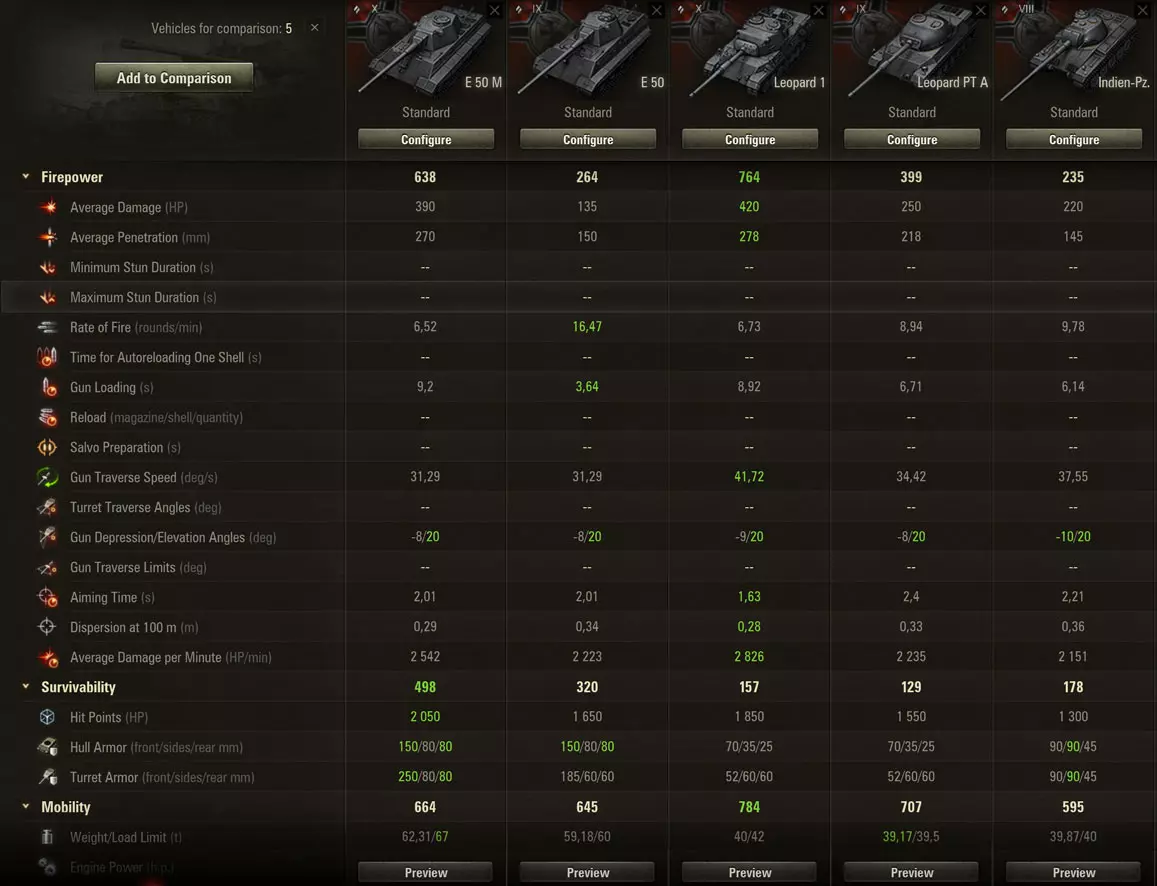
- France (autoloader line) and Czechoslovakia lean on drums. French clips often hit harder per shot with longer intra-clip gaps; Czech lines can reset drums quickly when the skill floor is there.
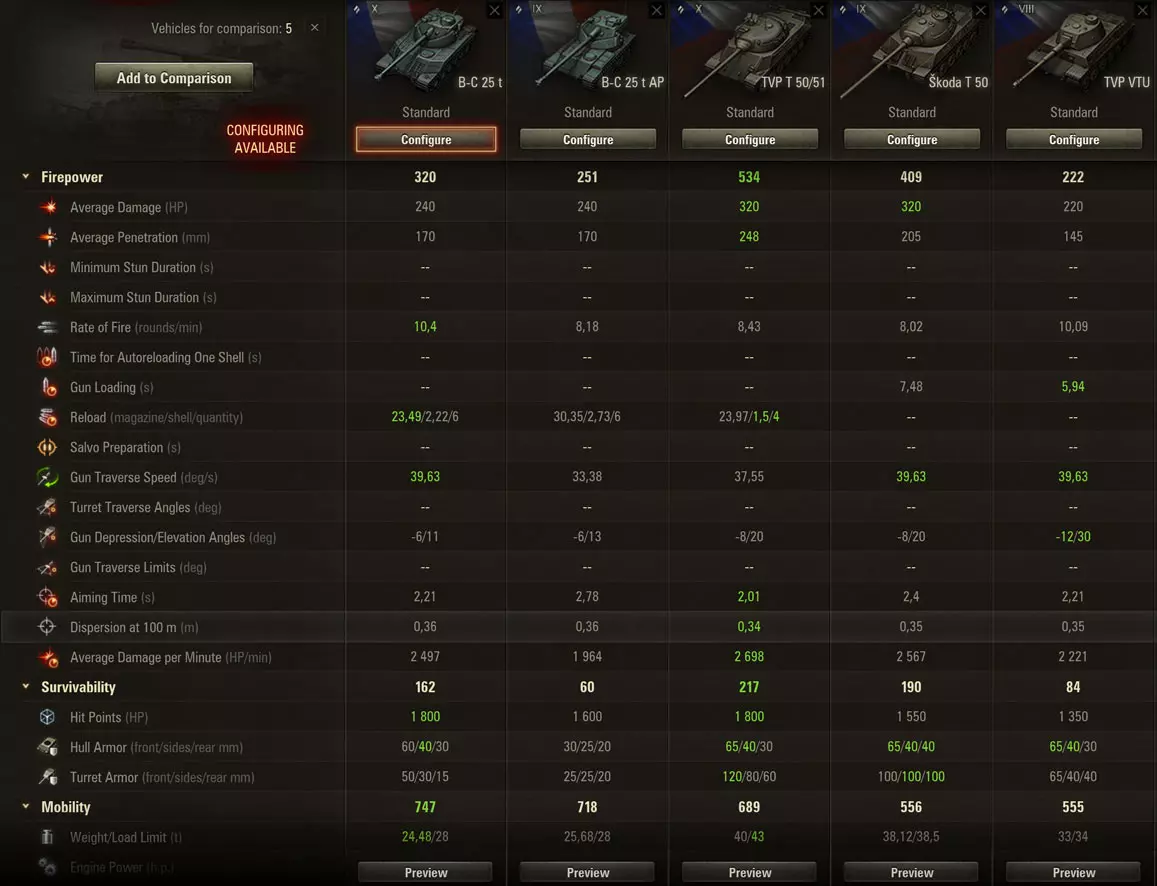
- Sweden uses hydropneumatic suspension on several mediums: siege mode buys gun depression and camo at the cost of tempo. Japan fields its own mix of hull-down specialists; treat suspension and siege quirks as map-dependent, not copy-paste from another nation.

- United Kingdom and United States often sell strong turrets, usable gun depression, and reliable penetration. British guns trend slightly tighter; US mediums can snap-aim faster when you wiggle at a ridge.

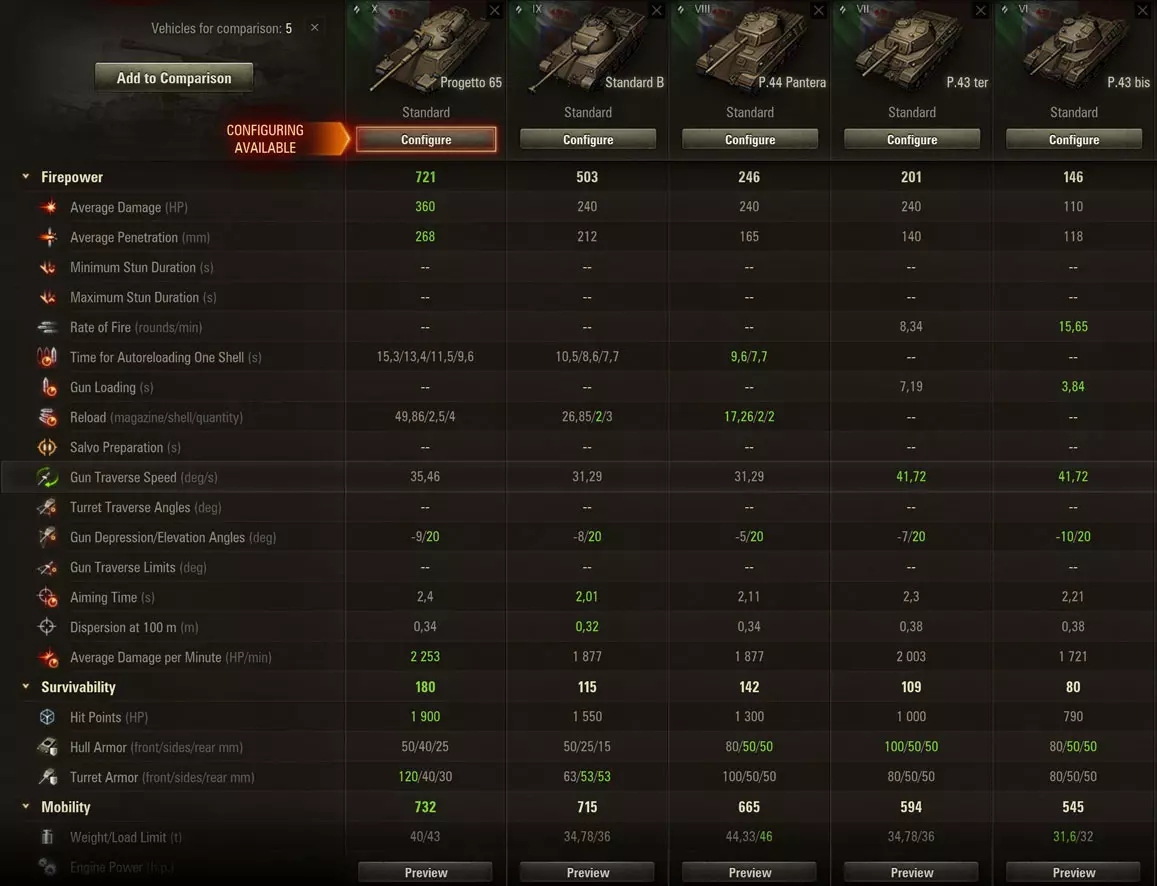
- Italy runs reloader-style drums: play like a single-shot tank until you cash a burst to finish a low-HP target.
Your role in the team
Classic mediums flex: deal damage, take a cheeky bounce, spot when lights die, or rotate before the flank collapses. In cities you respect heavies; in the open you leverage speed and vision to own ridgelines.
A coordinated pack of mediums is scarier than one star player: crossfires and staggered pushes erase isolated targets. Many mediums stay partly self-sufficient on vision — not true scouts, but less blind than a superheavy parked in a lane.
Crew skills
Even when you live on the second line, Sixth Sense on the commander stays default — information prevents donate-trades.
First full skill depends on the tank:
- Repairs if you brawl, sidescrape, or live with a tracked playstyle — a stopped medium dies to focus fire.
- Camouflage for snipers and siege campers — for example the XLeopard 1 line or the Swedish XUDES 15/16 line.


For firing on the move, add Smooth Ride and Smooth Turret Traverse where slots allow. Situational Awareness and Recon stack a little extra view range. Brothers in Arms (or its equivalent crew bonus) lifts everything once fundamentals are online.
Equipment
Build to your reload type and crew maturity — there is no one holy trinity for every medium.
Single-shot mediums (typical)
- Gun Rammer — flat DPM bump; default pick when the slot exists.
- Vertical Stabilizer — you shoot rolling more than heavies do; tightening dispersion wins trades.
- Improved Ventilation — strong when the crew already runs view skills and BIA; the 5% crew boost scales across gun, view, and mobility.
- Coated Optics — great bridge item while the crew is still thin; raw view helps before full vision perks stack.
Drum / autoreloader mediums
- No rammer slot on many autoloaders — swap toward VStab, Vents, or vision tools as the tank allows.
- If aim time sits above ~2s and you are still learning the rhythm, Improved Gun Laying Drive can stabilize snapshots until crew and food close the gap.
Stock grinds and XP walls: experience farming lives in the catalog if you want progression outsourced.
Combat habits
Know your armor model cold, then force enemies to shoot the strong bit while you take free shots. Medium gameplay borrows from every class — spotting, sidescraping, bush play — so macro decisions matter as much as aim.
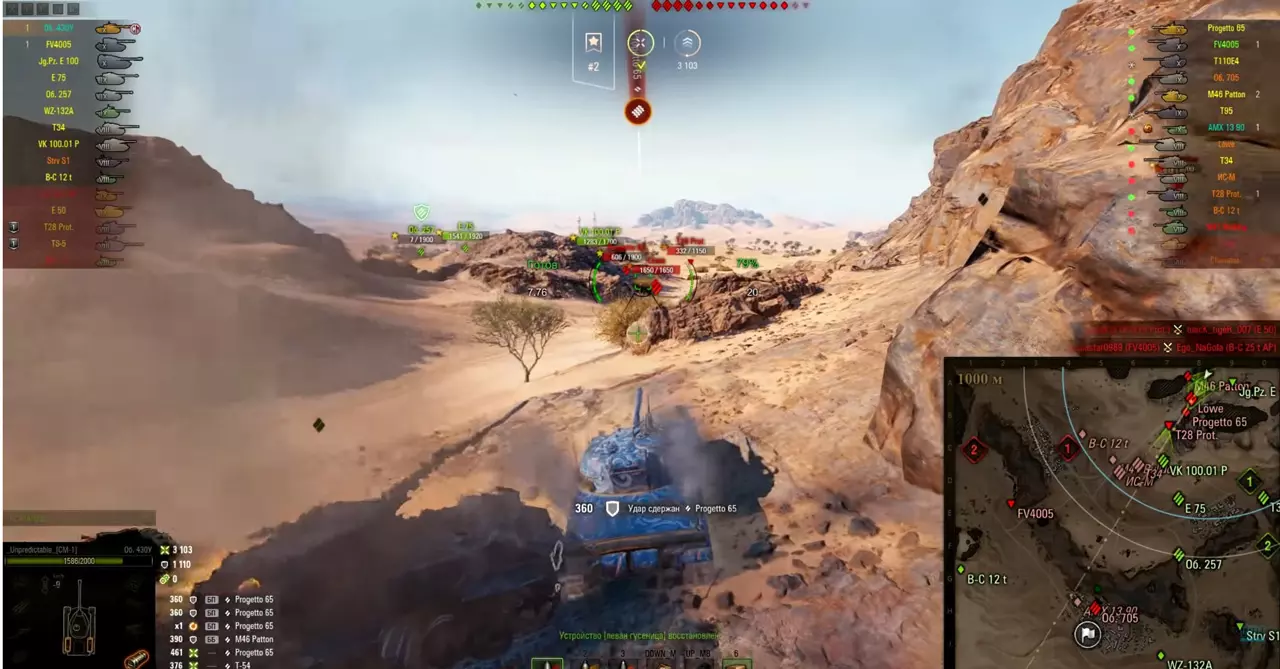
Opening: Speed buys the first ridge or denial angle. That is where early medium duels happen — numbers and arty support swing those trades harder than 50/50 aim duels.
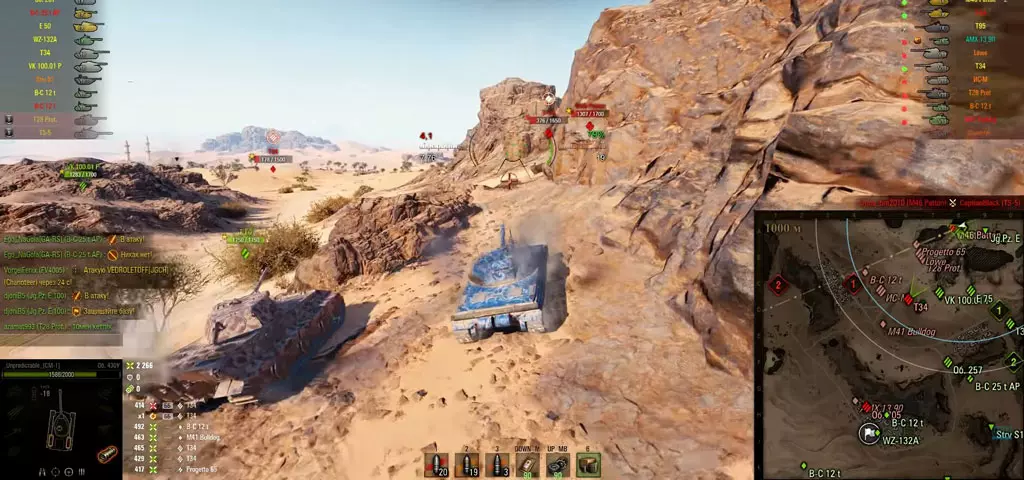
Mid-game: If lights are gone, a medium with optics and camo can fake scout well enough to keep arty blind and TDs uncomfortable — you are slower than a light but still harder to splash than a heavy blob.
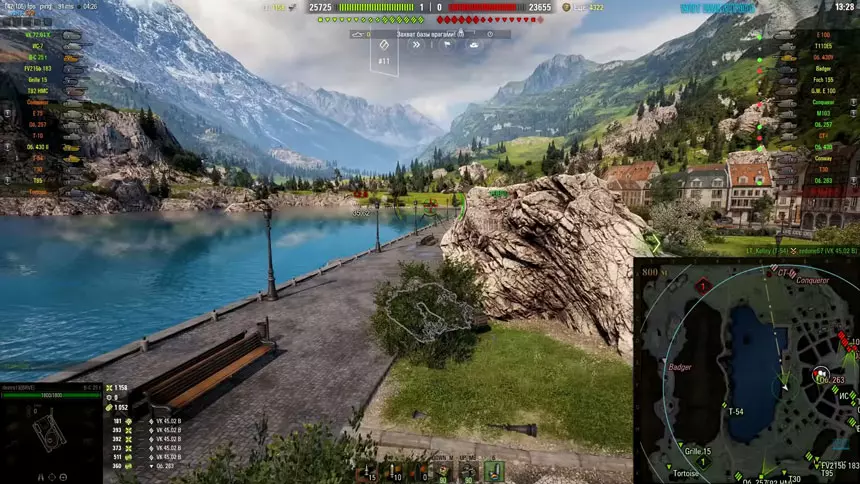
Light hunting: When you commit, leverage HP, alpha, and mass — a tracked light or a well-placed ram can erase a scout before it kites forever.
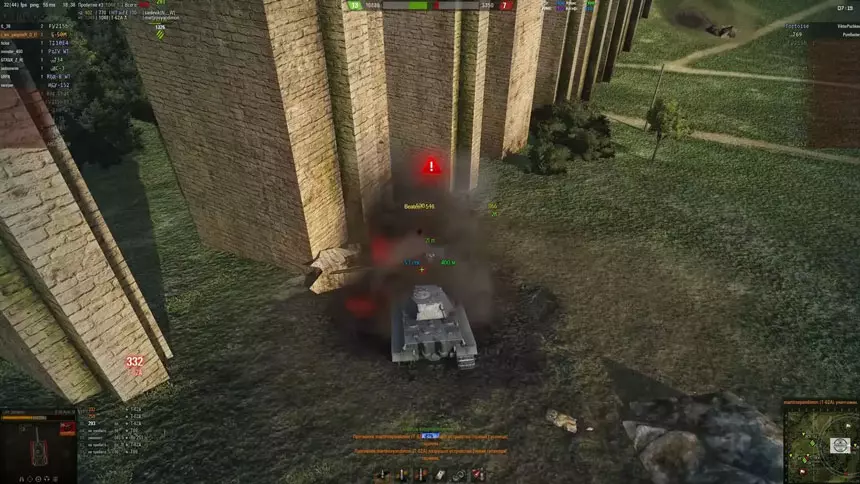
Flank pushes: Medium packs collapse slow targets. Chase retreats only when you will not overextend into a camping TD line — map awareness beats thirst.
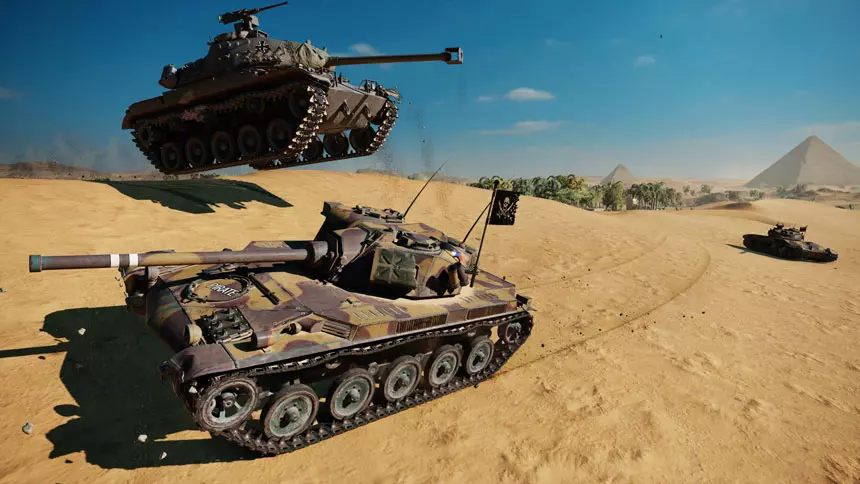
Flex: If a flank is lost, disengage under ally guns, swap lanes, or reset base. In cities, avoid fair fights into heavies — track them for allies and let arty or crossfires pay the bill. In the open, rear shots on committed heavies still win games.
Brief summary
Medium tanks live in motion: rotate to pressure, dodge sky cancer, and still bank meaningful damage. Patience early and aggression late beats reverse-yolo — when you have numbers, be the class that seals caps, clears arty, and hunts one-shot targets.
Want to skip painful stock modules or grind a medium line faster? Pick a scoped service with a clear brief and ETA.
Browse World of Tanks services →

